In short:
On October 23, Valve released a major update for Counter-Strike 2. Alongside the return of Retakes and several gameplay fixes, the patch introduced a groundbreaking economic mechanic – the ability to use Trade-Up Contracts to exchange multiple Covert (red) items for knives or gloves. This change instantly disrupted the item economy, reshaped price dynamics, triggered panic among traders, and sent ripples through the broader ecosystem of iGaming platforms and crypto-linked skin markets.
What Exactly Changed
- Trade-Up Contracts now allow the exchange of five Covert items for a knife or gloves from the same collection. StatTrak items follow a similar rule (five StatTrak Covert → StatTrak knife).
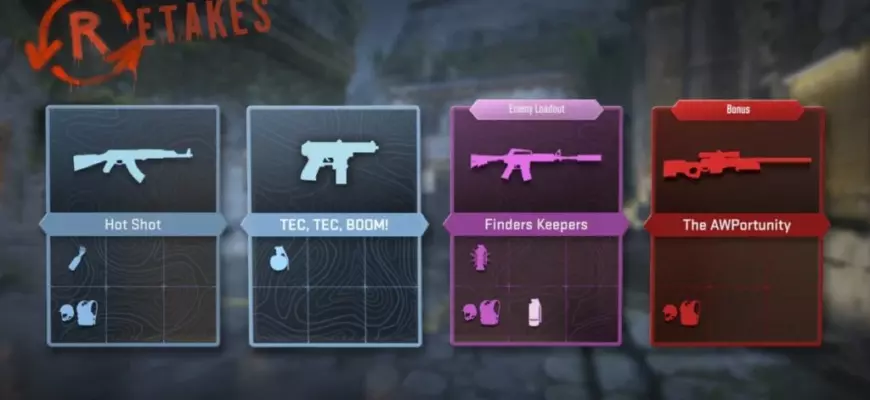
- The October 23 patch also included the official return of Retakes mode, UI updates, and map fixes – but the economic impact of the new crafting system far outweighed any gameplay tweaks.
Immediate Market Reaction
Within hours of the update, the entire CS2 skin economy went into shock:
- Knife and glove prices plummeted – in some cases losing hundreds of dollars in value – as the supply of these ultra-rare items surged overnight.
- Covert (red) skins skyrocketed in price, as they became the new crafting “fuel.” Some red items reportedly increased 10-20× within a day.
- Analysts estimated billions in “paper value” wiped from the total market capitalization of CS2 skins within 24 hours.
The Economic Logic Behind the Chaos
- A new production path changes rarity.
Knives were once a pure lottery drop with minuscule odds from cases. Now, players can manufacture them by combining reds. Increased supply of a fixed-demand good always pressures prices downward. - Raw materials vs. finished goods.
The update shifts demand downstream – away from final products (knives) toward inputs (reds). Covert skins become the new “commodity.” - Liquidity and friction.
The real effect depends on how quickly reds can be bought, sold, and traded – and on Valve’s trade-hold and purchase restrictions. These factors determine whether arbitrage bots can mass-craft knives instantly or not. - Crafters vs. Market Makers.
Large inventory holders can now mass-convert reds into knives, flooding the market. Bots and market-makers that previously stabilized knife prices could face heavy unrealized losses.
What It Means for Traders
- Inventory risk exploded.
Traders who held large positions in knives as “store of value” assets suddenly saw their prices collapse. - New arbitrage opportunities – and traps.
Fast movers might profit by crafting knives before red prices fully adjust. But Steam’s transaction fees and trade-hold rules make this a dangerous game. - Leverage and margin danger.
Automated trading bots and credit-based trading platforms could face cascading liquidations as collateral values drop. - Shift in focus.
Smart traders are liquidating knives early and rotating into reds – but timing is everything.
Impact on iGaming and Skin Gambling
This update has massive consequences for the wider skin gambling and betting ecosystem, where skins act as a kind of digital currency.
- Exchange rate disruption.
Sites that accept skins for deposits and payouts rely on stable price ratios. The sudden crash in knife values and spike in reds broke these ratios overnight. - “Printing” value via crafting.
The ability to turn cheap reds into knives opens the door for coordinated manipulation – players can buy underpriced reds on one site, craft knives, and dump them elsewhere for profit. - Regulatory and AML risks.
Since skins can now be quickly revalued and moved between sites, regulators may view this as a money-laundering risk. Crafting offers a plausible explanation for rapid price changes – complicating anti-fraud efforts.
Connection to Crypto and Tokenization
- Skins as non-fiat assets.
Some platforms tokenize skins or use them as backing for digital tokens. When knife values drop sharply, any token tied to that value becomes undercollateralized – similar to algorithmic stablecoin crashes. - Automated trading crossover.
Crypto-style bots and arbitrage systems may enter the skin economy, feeding off volatility between marketplaces. - Money flow and compliance.
Many third-party skin exchanges route funds through crypto payment channels. Sudden price swings and cross-platform transfers make tracing origins of funds much harder, increasing compliance risks.
Potential Abuse Scenarios
- “Crafting factories.”
Organized groups could mass-buy reds, craft knives in bulk, and dump them on secondary markets. - Wash trading and price manipulation.
Low liquidity in specific skins makes it easy for coordinated traders to manipulate prices, especially during volatility spikes. - Cross-market arbitrage.
Price gaps between the Steam Market and third-party sites enable profit loops – until trade-holds or bans interrupt the cycle.
What It Means for Different Players
- Regular players: don’t panic, but reassess your inventory. “Value” is volatile now.
- Professional traders: reduce leverage, diversify, and monitor hold restrictions closely.
- Exchange and gambling site owners: recalibrate your pricing models, audit item origins, and prepare for liquidity crunches.
- Regulators: this update blurs the line between digital entertainment and real financial assets.
Long-Term Effects (Next 2-12 Months)
- Volatility normalization.
Over time, prices will stabilize at new equilibrium levels, though overall volatility will remain higher. - Rise of hedging and insurance services.
Expect to see new tools for inventory protection, futures contracts, and price-tracking analytics. - Regulatory pressure.
With the renewed spotlight on skin-based economies, gaming and gambling regulators are likely to impose stricter transparency rules.
Recommendations
- Verify item origins.
Implement KYC and anti-fraud checks for large trades. - Diversify portfolios.
Avoid overexposure to knives; rebalance toward liquid reds or stable assets. - Automate monitoring.
Track price spreads and moving averages to react quickly. - Enhance AML and anti-fraud tools.
Watch for mass crafting or suspicious item flows. - Communicate transparently.
Platforms should clearly inform users about volatility and withdrawal risks.
Conclusion
The October 23 update is more than a gameplay patch – it’s an economic intervention. By allowing players to craft knives from reds, Valve effectively redefined rarity itself. The shockwave that followed has restructured the CS2 item market, upended trader strategies, and exposed fragilities in iGaming and crypto-linked ecosystems.
How this stabilizes depends on the behavior of large market participants, Valve’s follow-up adjustments, and – increasingly – regulatory oversight.