
Introduction
As of March 18, 2026, Africa’s iGaming market has moved beyond the early development stage and entered a phase of steady expansion. What used to be a fragmented and often overlooked sector is now attracting attention from international operators, investors, and technology providers.
The discussion is no longer about whether the market is growing. The focus has shifted to the pace of that growth and the regions driving it.
Market Overview
Africa’s iGaming sector continues to expand, with total online gambling revenues reaching several billion dollars and showing consistent upward momentum.
Although the region remains smaller than Europe or North America, it stands out for its growth dynamics. The expansion is driven by digital adoption rather than legacy systems.
Several patterns define the market:
- Online betting remains the dominant segment
- Mobile devices generate most of the traffic
- Growth rates in key countries exceed global averages
Is the Market Growing in 2026
The market is clearly growing, and the growth is based on long term structural factors rather than short term trends.
Among the main contributors:
- A steady increase in internet penetration
- Rapid expansion of mobile ecosystems
- Rising demand for accessible digital entertainment
- Strong engagement with sports betting
In a number of African countries, iGaming has become one of the fastest growing digital sectors, with frequent user interaction and high retention levels.
Key Growth Drivers
Mobile First Ecosystem



Africa operates as a mobile first environment.
Most users access platforms through smartphones, while desktop usage remains limited. Affordable Android devices dominate the market.
This has influenced product design:
- Lightweight applications
- Optimized data usage
- Integration with SMS and USSD services in some regions
Young and Digitally Active Population
The continent has one of the youngest populations globally. A significant share of users is under 30 and actively engaged with digital services.
This creates a stable demand base that supports long term market expansion rather than temporary spikes.
Mobile Payments Infrastructure
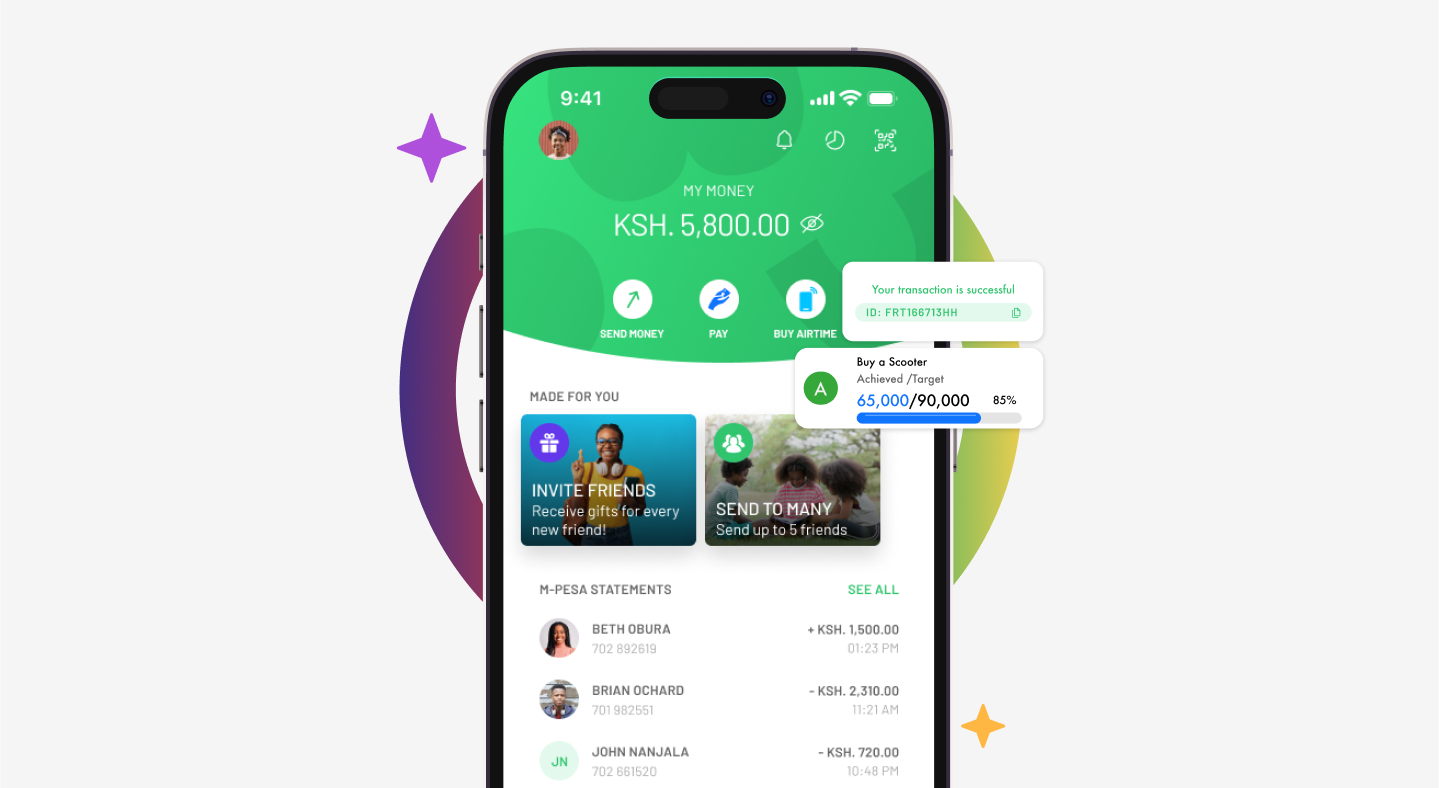


Limited access to traditional banking has accelerated the development of mobile payment systems.
Key characteristics include:
- Widespread use of mobile wallets
- Fast deposit and withdrawal processes
- Broader financial inclusion
These systems play a central role in enabling participation in iGaming.
Sports Driven Demand
Sports betting remains the core segment of the market.
Football drives the majority of activity, supported by both international competitions and growing local leagues. Betting is often integrated into everyday entertainment habits, especially among younger users.
Expanding Connectivity
Infrastructure improvements continue to support market growth:
- Expansion of 4G networks and early 5G adoption
- Gradual reduction in mobile data costs
- Increasing smartphone penetration
These factors directly contribute to higher user acquisition and engagement.
Leading Markets in Africa
Several countries act as regional leaders:
- South Africa with a relatively mature and structured market
- Nigeria with its large population and strong betting culture
- Kenya with advanced mobile payment integration
- Egypt with a rapidly developing digital environment
These markets serve as primary entry points for international operators.
Challenges
Despite the positive outlook, a number of challenges remain.
Regulatory fragmentation is one of the most significant issues. Each country operates under its own legal framework, often with frequent changes.
Economic constraints also play a role. In many regions, disposable income remains limited, making users highly price sensitive.
Infrastructure gaps persist in certain areas, including inconsistent internet access and power supply.
In addition, the presence of unlicensed operators continues to affect market transparency and competition.
Key Trend in 2026
A defining feature of the current stage is the balance between expansion and regulation.
Governments are introducing stricter licensing rules, increasing taxes, and placing more emphasis on consumer protection. At the same time, operators are expanding their presence, adapting products to local markets, and investing in compliance.
This creates a competitive environment where flexibility and local understanding are critical.
Outlook to 2030
Looking ahead, Africa is expected to strengthen its position in the global iGaming landscape.
The market is likely to:
- Increase its overall share of global revenue
- Develop more structured regulatory frameworks
- Attract additional international investment
- Continue prioritizing mobile based solutions
Growth will remain uneven, with clear differences between leading and developing markets.
Conclusion
Africa’s iGaming market in 2026 shows consistent and sustained growth.
The expansion is driven by mobile technology, supported by fintech solutions, and reinforced by a young and digitally active population.
The region represents a developing but increasingly important part of the global iGaming industry, with significant room for further growth in the coming years.